
Are you a therapist looking to reach more people who need your help? You know how important it is for your practice to show up when someone searches online.
But with so many websites out there, how do you make sure yours stands out? The best SEO for therapists can make a huge difference in attracting new clients and growing your practice. You’ll discover simple, effective strategies tailored just for you.
Keep reading, and you’ll learn how to boost your online presence without feeling overwhelmed. Your future clients are searching — let’s make sure they find you first.

SEO Basics For Therapists
SEO Basics for Therapists help improve online visibility. Therapists can reach more clients by using simple SEO strategies. Understanding SEO starts with knowing why it matters and some key terms.
Why SEO Matters In Therapy
Most people search online for therapy services. If your website is hard to find, clients may go elsewhere. Good SEO helps your practice appear in search results. This builds trust and shows professionalism. Local SEO is also important to attract clients nearby. Without SEO, your website stays hidden from potential clients.
Key SEO Terms To Know
Keywords: Words or phrases people type into search engines. Use terms related to therapy and your specialty.
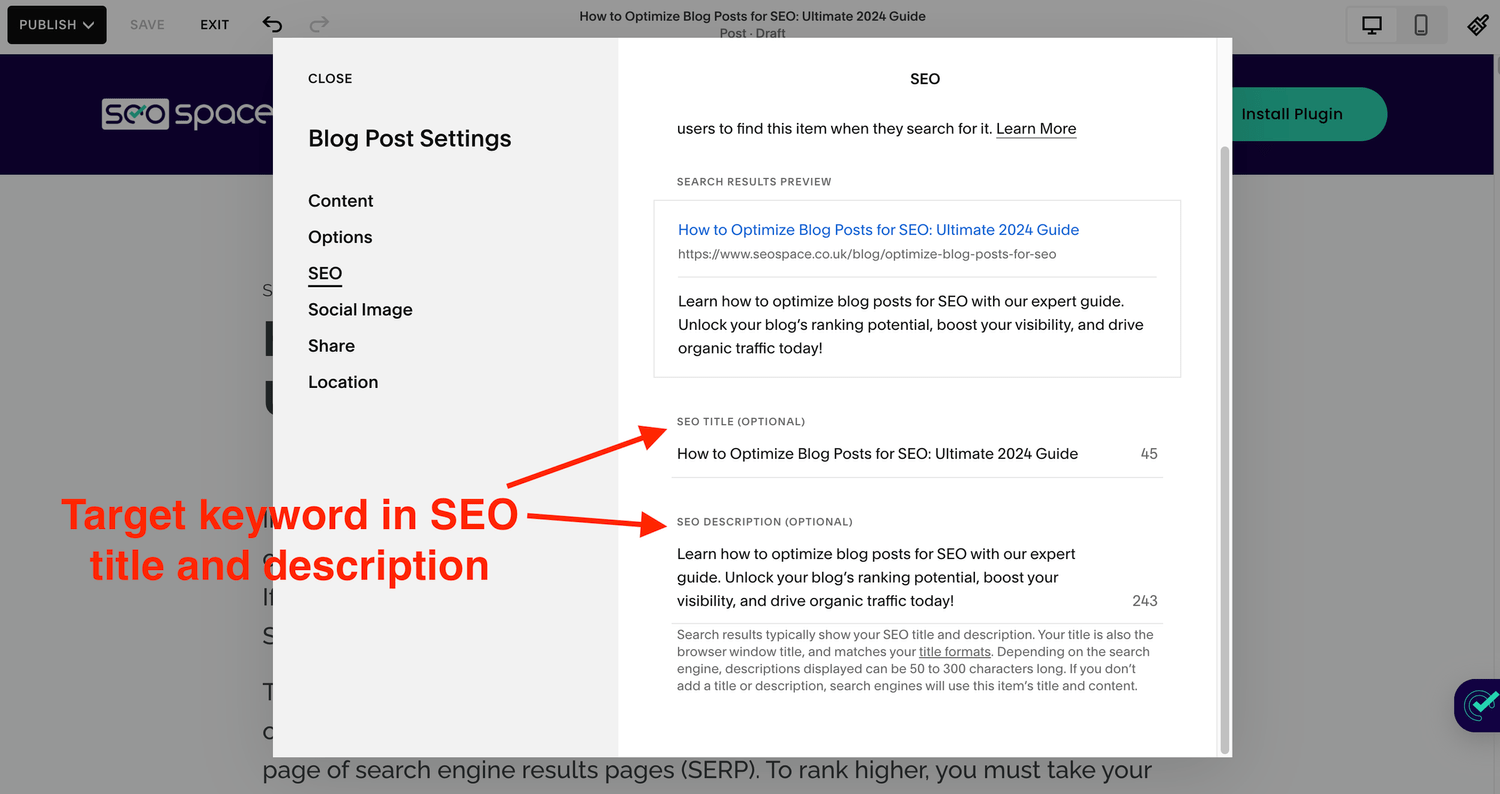
Meta Description: A short summary that appears under your website link in search results. It should be clear and inviting.
Backlinks: Links from other websites to yours. They boost your website’s authority and ranking.
Alt Text: Descriptions of images on your site. Help search engines understand your content.
Local SEO: Optimizing your site to show up in local searches. Important for therapists serving specific areas.
Keyword Research Tips
Keyword research is the first step in SEO for therapists. It helps you find the words potential clients use to search for services. Choosing the right keywords improves your website’s chances to appear in search results. This section shares simple tips to find and use these keywords well.
Finding Client-centered Keywords
Think about what clients say during sessions or calls. Use their words as keywords. For example, “anxiety help” or “couples therapy near me” are client-centered phrases. Use tools like Google Keyword Planner or Ubersuggest to find similar terms. Focus on words that describe feelings, problems, or goals clients have. Avoid technical or clinical terms that clients may not know. Use questions clients ask, like “how to deal with stress” or “best therapy for depression.”
Using Local Keywords Effectively
Include your city or neighborhood in keywords to attract local clients. For example, “therapist in Dallas” or “child counseling Boston.” Local keywords help your practice show up in nearby searches. Use them in titles, headings, and content naturally. Mention local landmarks or areas to boost relevance. Create a Google My Business profile with local details. This increases visibility in map searches and local listings. Local keywords connect you with people ready to visit your office.
Optimizing Your Website
Optimizing your website is key to attracting more clients. A well-optimized site ranks higher on search engines. This helps therapists connect with people who need their services. Simple changes can make a big difference in how your website performs.
Focus on content, speed, and how your site looks on phones. These areas improve user experience and search rankings. Let’s explore easy steps to optimize your therapy website effectively.
Creating SEO-friendly Content
Write clear, helpful content for your visitors. Use words your clients search for. Include phrases about therapy, mental health, and your specialties. Keep sentences short and easy to read. Add answers to common questions clients ask. This builds trust and helps your site appear in search results.
Improving Site Speed And Mobile Experience
Fast loading pages keep visitors happy. Slow sites cause people to leave quickly. Compress images and use simple designs. Test your site on phones and tablets. Make sure buttons and text are easy to see and use. A smooth mobile experience increases your chances of new clients contacting you.
Optimizing Meta Tags And Headers
Meta tags tell search engines what your pages are about. Write clear, short titles with important keywords. Use descriptions that explain your services in simple words. Use headers (H1, H2, H3) to organize content. Headers help readers and search engines understand your site better. Proper tags and headers improve your site’s visibility.
Local SEO Strategies
Local SEO strategies help therapists reach people nearby. They make your practice easy to find online. This is important because many clients search for services close to them. Good local SEO can bring more visitors to your website and office.
Claiming And Optimizing Google My Business
Google My Business is a free tool for local businesses. Claim your business page to control what people see. Add your address, phone number, and hours clearly. Upload photos of your office and team. Write a short, clear description of your services. Encourage happy clients to leave reviews. Reply politely to all reviews to build trust.
Building Local Citations And Listings
Local citations are mentions of your business online. They include your name, address, and phone number. List your practice on local directories and health websites. Make sure all details are the same everywhere. Consistent information helps search engines trust your business. Check and update your listings regularly to keep them accurate.
Content Marketing For Therapists
Content marketing helps therapists connect with people who need help. Sharing useful information builds trust and shows your expertise. Good content makes your website more visible on search engines. It also guides visitors to choose your services.
Therapists can use different types of content to reach clients. Writing blogs and using videos are very effective. Real stories and testimonials add a human touch. These methods make your practice more approachable and relatable.
Blog Topics That Attract Clients
Choose blog topics that answer common questions clients have. Write about stress, anxiety, or how therapy helps. Share tips on improving mental health at home. Explain what happens during therapy sessions. Use simple words and clear examples. This helps people understand and trust your knowledge. Regularly updating blogs keeps your site active and interesting.
Using Videos And Testimonials
Videos show your personality and make clients feel comfortable. Create short videos explaining therapy benefits or relaxation exercises. Testimonials let happy clients share their positive experiences. They add real proof of your skill and care. Use clear captions and friendly language. Videos and testimonials make your site feel warm and trustworthy.
Building Quality Backlinks
Building quality backlinks is important for SEO success. Backlinks help search engines trust your website. They show your site has useful and reliable information. For therapists, backlinks can bring more visitors and potential clients. Focus on getting links from reputable and related sites. This will improve your site’s authority and ranking.
Networking With Health Professionals
Connect with other health professionals in your area. Doctors, counselors, and wellness coaches can share your website. This creates natural backlinks from trusted sources. Attend local health events or join online groups. Share useful content and build genuine relationships. These links help search engines see your site as credible.
Guest Posting And Online Directories
Write guest posts for health and wellness blogs. Offer helpful articles that include a link to your site. This brings new visitors and builds backlinks. Also, list your practice in online therapist directories. Choose directories with good reputations and high traffic. These links increase your visibility and improve SEO rankings.
Tracking And Measuring SEO Success
Tracking and measuring SEO success helps therapists see what works. It shows which strategies bring more visitors and which need change. This process guides better decisions and saves time. Without tracking, it is hard to know if SEO efforts pay off.
Good tracking also reveals how visitors use the website. Therapists can improve their site to meet visitor needs. This makes the site more helpful and easy to use. SEO success is not just about rankings but also about user experience.
Essential SEO Tools
Tools help track and measure SEO results easily. Google Analytics shows visitor numbers and behavior. Google Search Console reports website health and search performance. These tools are free and simple to use.
Other tools like SEMrush and Ahrefs offer keyword and backlink data. They help find new opportunities and check competitors. Using these tools gives clear data to guide SEO choices.
Analyzing Website Traffic And Rankings
Look at website traffic to understand visitor trends. Check where visitors come from and which pages they like. Watch bounce rate and time spent on the site. These numbers show if visitors find the site useful.
Rankings show how well the site appears in search results. Track keywords related to therapy services. A higher rank means more chances to attract new clients. Keep an eye on rankings regularly to spot changes.

Credit: www.seodiscovery.com
Avoiding Common SEO Mistakes
SEO for therapists helps attract the right clients online. Avoiding common SEO mistakes keeps your website strong. These errors can lower your site’s ranking. They also make it hard for clients to find you. Focus on smart SEO choices to build trust and grow your practice.
Overusing Keywords
Using too many keywords can hurt your SEO. It makes your content hard to read. Search engines may see this as spam. Write naturally with keywords placed thoughtfully. Choose a few important words and use them well. Clear and simple text works best for your visitors.
Ignoring Mobile Users
Many people search on phones or tablets. A site that does not work well on mobile loses visitors. Mobile-friendly design improves user experience. Fast loading pages and easy navigation are key. Make sure your website looks good on all devices. This helps keep clients interested and coming back.
Frequently Asked Questions
What Is The Best SEO Strategy For Therapists?
How Can Therapists Improve Their Local SEO Rankings?
Therapists can improve local SEO by claiming Google My Business, getting client reviews, and using location-specific keywords. Consistent NAP (Name, Address, Phone) details across directories also boost local search visibility.
Why Is Keyword Research Important For Therapist SEO?
Keyword research identifies the exact terms potential clients use to find therapy services. It helps create targeted content that matches search intent, improving organic traffic and client inquiries.
How Often Should Therapists Update Their Website For SEO?
Therapists should update their website regularly, ideally every 3-6 months. Fresh content and technical improvements keep the site relevant and enhance search engine rankings.
Conclusion
Good SEO helps therapists reach more people in need. Clear websites and helpful content build trust. Using local keywords attracts nearby clients. Consistent effort improves search rankings over time. Simple steps bring steady growth and visibility. Start small and keep improving your online presence.
Success comes with patience and smart choices.